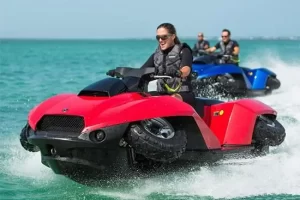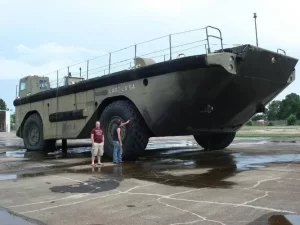


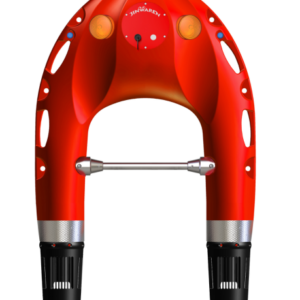
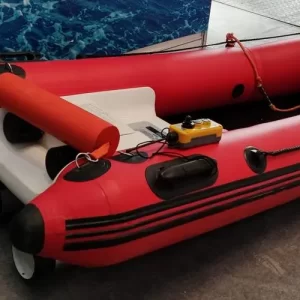
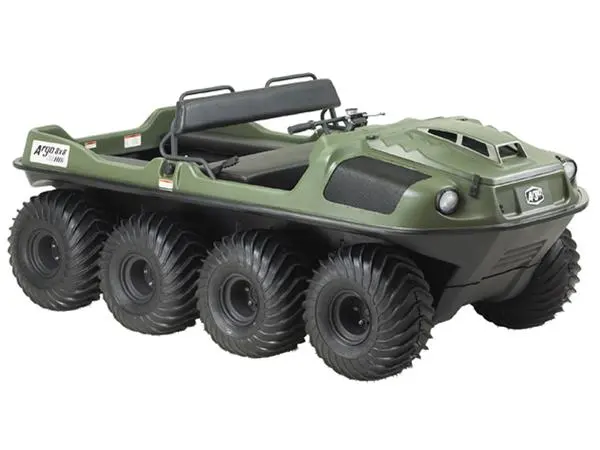
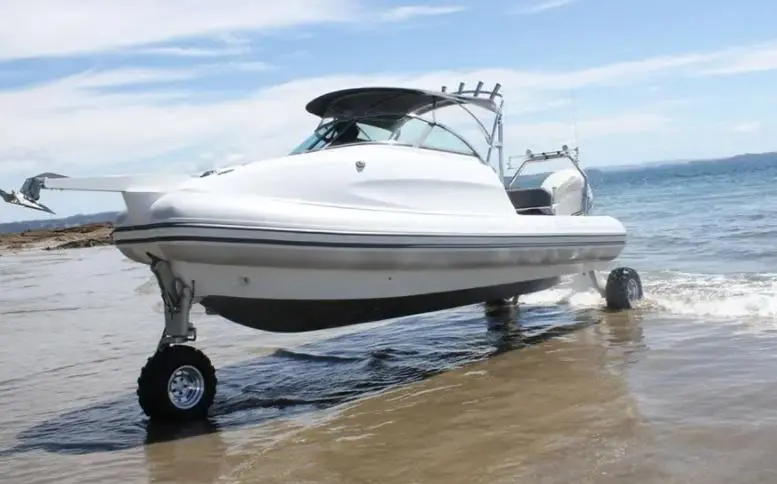
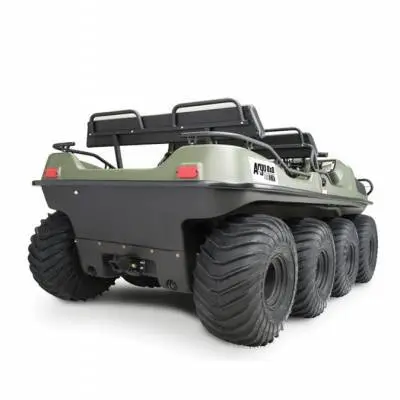
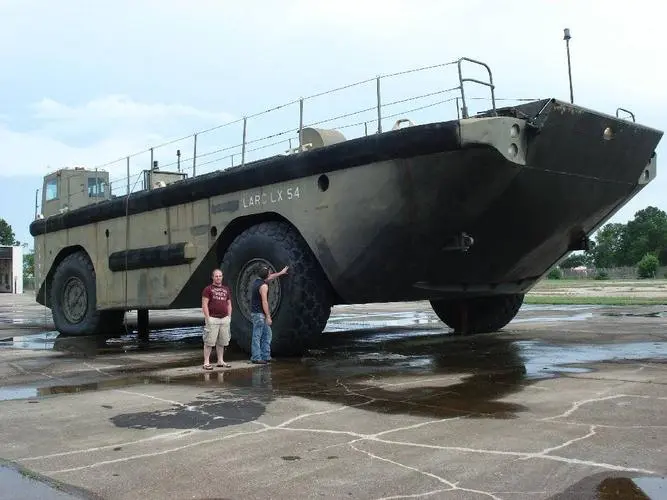
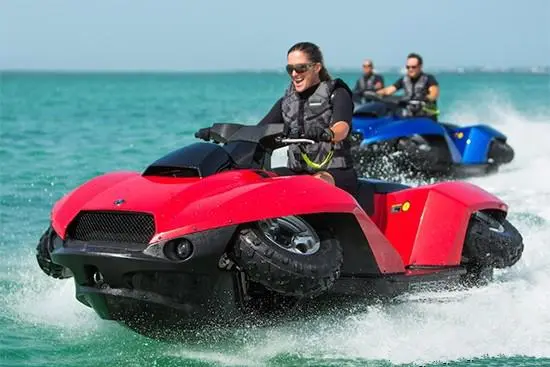
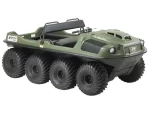
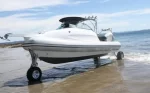
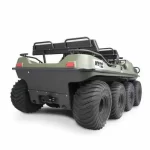
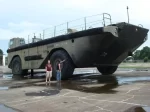
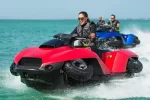
Amphibious vehicles, also known as amphibious vehicles, are amphibious vehicles. This is a special vehicle that combines the characteristics of both a vehicle and a ship, capable of both land travel and water crossing. The buoyancy of the vehicle is ensured by the necessary displacement caused by its enclosed body. It uses wheels or tracks to directly row water, or is driven by specialized water thrusters (propellers or water jet thrusters). Its land-based driving device is wheels or tracks, and the driving speed can reach 100 kilometers per hour. The vehicle model that uses wheels or tracks to directly row water has a simple structure, but its water speed and maneuverability are poor. Vehicles driven by specialized water thrusters (propellers or water jets) have good water performance and can reach speeds of over 20 kilometers per hour.
Since the end of the 20th century, the US military has invested heavily in the development of the tracked advanced amphibious assault vehicle AAAV, which is designed to have a maximum speed of 46 kilometers per hour on water. Due to their excellent water and land transportation performance, amphibious vehicles can cross rivers, lakes, and seas without being restricted by bridges or ships. Therefore, they have been widely valued and applied in transportation, especially in military affairs.
In China’s amphibious vehicle series, except for some armored vehicles with floating performance and a small number of amphibious transport vehicles in the engineering corps, the more typical one is the BY5020TSL amphibious vehicle developed by China itself. It can travel on roads and off-road, and has floating performance, which can fully meet the needs of China’s economic and national defense construction. [1]